“Turn history, heritage and ideas into something people can see, explore and remember”
Creative Designs turns photographs, drawings, digital files and historical references into physical stories you can see and explore. From intricate miniatures and scale models to immersive dioramas and exhibition displays, we recreate buildings, places, objects and environments with a strong focus on character, detail and authenticity.
Blending 3D modeling, 3D printing and skilled model-making craftsmanship, we transform ideas and references into carefully crafted museum displays that give history, architecture and culture a tangible form.
Physical models help museums make history, architecture and culture easier to understand and explore. They can represent places, structures and environments that no longer exist or may be difficult to experience in their original form, giving visitors a more visual and tangible connection to the subject.
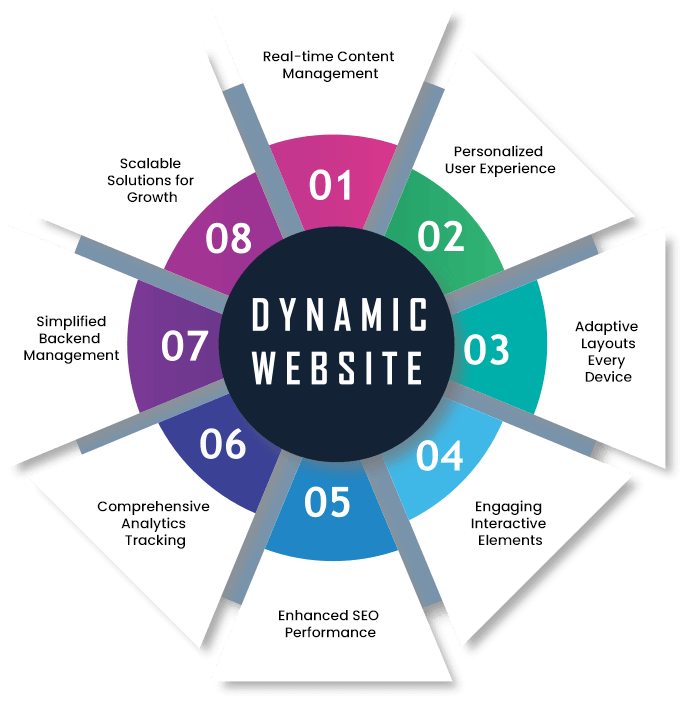
Dynamic web design isn’t just a trend—it’s a treasure chest of features that can dramatically enhance user experience. Let’s take a closer look at the key highlights that make dynamic websites not just functional but also engaging and enjoyable to navigate.
Our Museum Scale Models represent historical buildings, heritage properties, archaeological sites, monuments, settlements and larger environments. They can include facades, roofs, windows, entrances, terrain, landscaping, streets and surrounding structures according to the required scale and level of detail.
Our Miniature Museum Model Making services create detailed miniatures of buildings, historical locations, cultural settings and reconstructed scenes. Displays can incorporate dioramas, busts and figurines, along with vehicles, objects, landscaping and other miniature elements developed at suitable scales.
We create 3D Printed Museum Models for architectural elements, miniature structures, replicas, artifacts, busts, figurines and other detailed components. 3D printing allows complex forms and customized parts to be produced with consistent dimensions and fine detailing.
We create physical replicas of selected artifacts, sculptures, tools, objects and other historically or culturally significant items for museum and educational displays. Models can be developed from photographs, drawings, measurements, scans or digital references with suitable detailing and finishing.
We develop physical models of industrial facilities, machinery, infrastructure and technical subjects for specialized museum displays. These models can present complex structures, equipment and engineering concepts in a clear three-dimensional format for visitors and educational purposes.
Customized models of historical vehicles, ships, aircraft, trains and other transportation subjects can be created for museum and heritage displays. Individual vehicles or complete transport scenes can be developed with appropriate proportions, surface details and finishing.
We combine 3D modeling, 3D printing, scale model making, miniature making, finishing and assembly to take a museum project from initial references to a completed physical display.
We begin by understanding the subject, purpose, available references, required scale, dimensions and display environment. Photographs, drawings, sketches, CAD files, scans and historical references can be reviewed to determine the most suitable approach.
The required model is created or adapted using the available reference material. Architectural features, proportions, terrain, miniature elements and other details are planned digitally before production. Digital models can then be prepared for 3D printing or other model-making methods.
Approved designs are produced using suitable scale model making, miniature making and fabrication techniques. Buildings, monuments, characters, artifacts, vehicles, landscapes and other components can be developed individually or combined into a complete display.
3D printing can be used for intricate architectural elements, miniature components, replicas, busts, figurines and other custom parts. Printing methods and materials are selected according to the required size, detail, strength and application.
Individual components are assembled and finished according to the project requirements. Painting, texturing, landscaping, surface detailing, miniature elements and custom display bases can be incorporated to create a cohesive, presentation-ready model.
Completed models are checked for proportions, stability, detailing, finishing quality and overall presentation. The finished display is prepared according to the agreed dimensions and intended museum, exhibition or educational environment.

The beauty of dynamically designed websites lies in their ability to adapt based on real-time interactions—turning every visit into an experience rather than just another click-through session! As we continue to evolve in this digital age, embracing personalized user experience websites will not only drive engagement but also create meaningful relationships with visitors.